
Antennae positioning of concurrent multiple communications technologies
1. a satellite terminal (about 10cms diameter)
2. a GPS transceiver (1500MHz and about 5cms diameter)
3. a GSM modem whip antenna (900MHz or 1800MHz)
4. a radio whip antenna (2.4GHz)
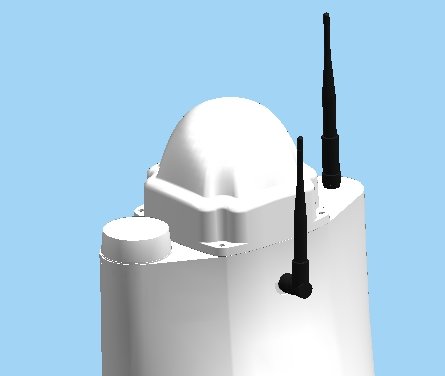
Operational combinations will be: SAT+GPS, GSM+GPS, and Radio + GPS, with the other items switched off, but the antennae remaining in place.
Will the operational items be affected by the unused antennae, reducing polar response and creating blind-spots?
Are there multi-function antennae available (eg, GSM+radio) that offer the same performance as if separate items?
I"d appreciate your expert opinions on how to position each of these items and maximise the performance of each. Many thanks in advance.
Your problem is quite typical in many installations. The answer to your first question is yes. You will detect problems as each of several antennas is characterized in a "free space" and no antenna manufacturer is interested in getting in problems like yours.
Be ready to solve the mutual interference problems; you will have to test which systems are affected most ( I guess GPS is most sensitive), and be ready to move the sensitive antennas farther from those which cause interference.
You can consult base station technicians who need to install microwave radios to communicate with the network while others operate radios in the same bands nearby. This is why there are licensed bands in which a communication authority cares about possible interference before hardware is installed, and "free" frequency bands where the users pay nothing but have to resolve interference problems alone.